
Background
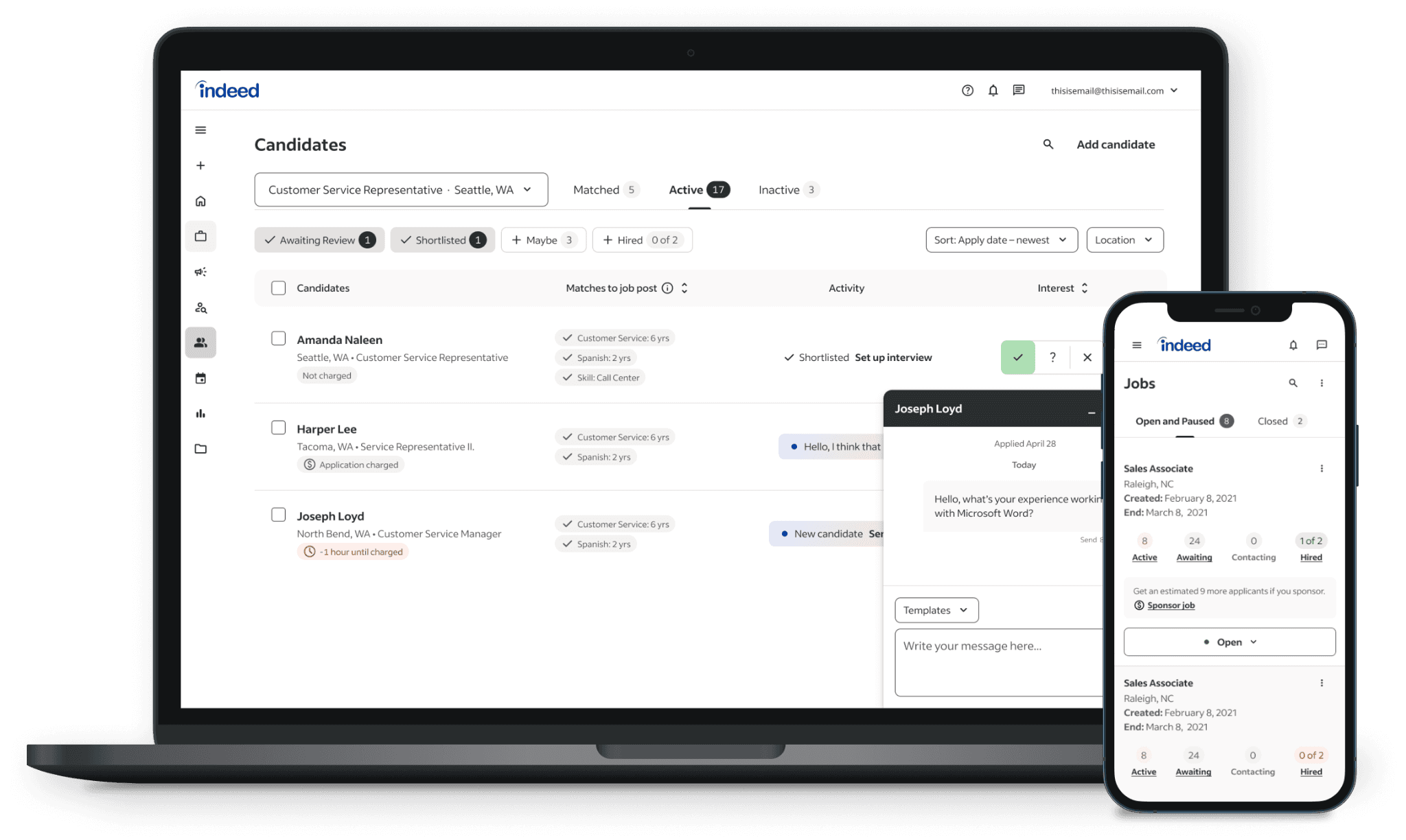
In 2021, Indeed's Creative team introduced Aurora, a new brand identity designed to modernize Indeed's visual identity. Within three years, the landscape shifted dramatically. User research revealed that employers found the interface cluttered and difficult to navigate, while Indeed's brand needed to better reflect its position as the #1 job site globally, serving 250+ million users across 60+ countries.
Aurora Uplift was launched as a strategic cross-functional initiative bringing together Product Design, Brand, and Design Systems to address these challenges.
The goal: simplify the employer experience, reduce visual complexity, and deliver a more premium, trustworthy interface that would increase hiring conversions.
User Problem
By 2024, the hiring landscape had fundamentally changed. Job postings were down 30% from the 2022 peak as companies reconsidered their growth plans. Employers who were still hiring demanded greater ROI from the Indeed platform: faster time-to-hire, higher quality candidates, and clearer paths to making successful placements.
Yet our product experience had become an obstacle. User research revealed that hiring employers felt overwhelmed by a cluttered interface packed with competing priorities. Heatmap analysis showed users were ignoring critical features because the UI had become too noisy. Pages averaged 4-6 primary CTAs, creating decision paralysis rather than clarity.
Users told us directly: "Indeed has turned into a sea of blue" and "I feel like every page is trying to take me away from the one thing I want to do, make a hire."
At a moment when employers needed more from Indeed, our interface was getting in their way.
Business Problem
The cluttered UI wasn't just frustrating users. It was directly impacting Indeed's bottom line.
Two critical business metrics were declining in parallel: quality candidate matches (measured by positive hire outcomes) and sponsored job application clicks. When employers couldn't efficiently navigate the platform, they were less likely to sponsor their job posts or invest in premium features. Revenue per job advertisement declined as a result.
The stakes were significant. With Indeed's employer business generating billions in annual revenue, even small percentage drops in engagement translated to millions in lost opportunity. Aurora Uplift needed to reverse this trend by removing friction from the hiring journey and restoring confidence in the platform's value.
Our Guiding Principle
As we planned Aurora Uplift's rollout through Indeed's quarterly release cycle, the team needed a clear north star for prioritization decisions. With limited engineering capacity and dozens of potential improvements on the table, we established a simple filter: Does this help employers make a hire faster?
Every visual change, every interaction refinement, and every component update was evaluated against Indeed's core mission: helping people get jobs. If a design decision made the interface more aesthetically pleasing but added friction to the hiring journey, we cut it. If it simplified the path from job post to quality candidate, we prioritized it.
This principle became our tiebreaker when stakeholders disagreed, our defense when pushing back on scope creep, and our rallying cry when the work felt overwhelming.
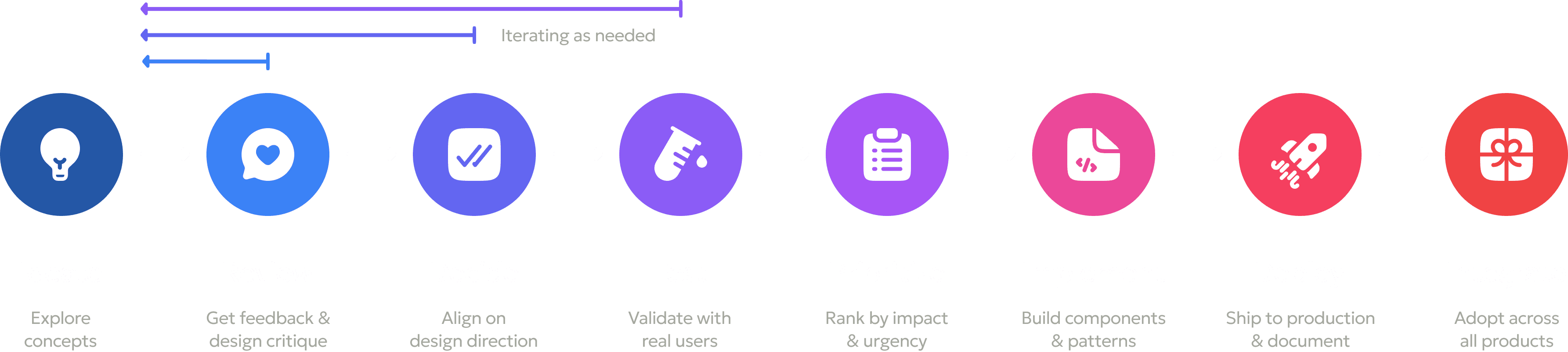
I established a streamlined workflow that allowed Design Systems to move in parallel with Brand and Product Design while they finalized Aurora Uplift decisions. Rather than waiting for complete specifications, we focused on implementation readiness: prioritizing which design tokens (color, spacing, typography) and component updates would deliver the highest impact across Indeed's thousands of repositories.
The key was structured asynchronous collaboration. While Brand refined visual direction, my team audited existing components, mapped dependencies, and ranked changes by technical complexity and user impact. When design iterations occurred, cross-functional leads reviewed and approved changes asynchronously, allowing our weekly design critiques to focus on moving work forward rather than relitigating decisions.
This approach compressed our typical 6-month design system update cycle into 3 months, giving product teams earlier access to Aurora Uplift improvements while maintaining quality standards.
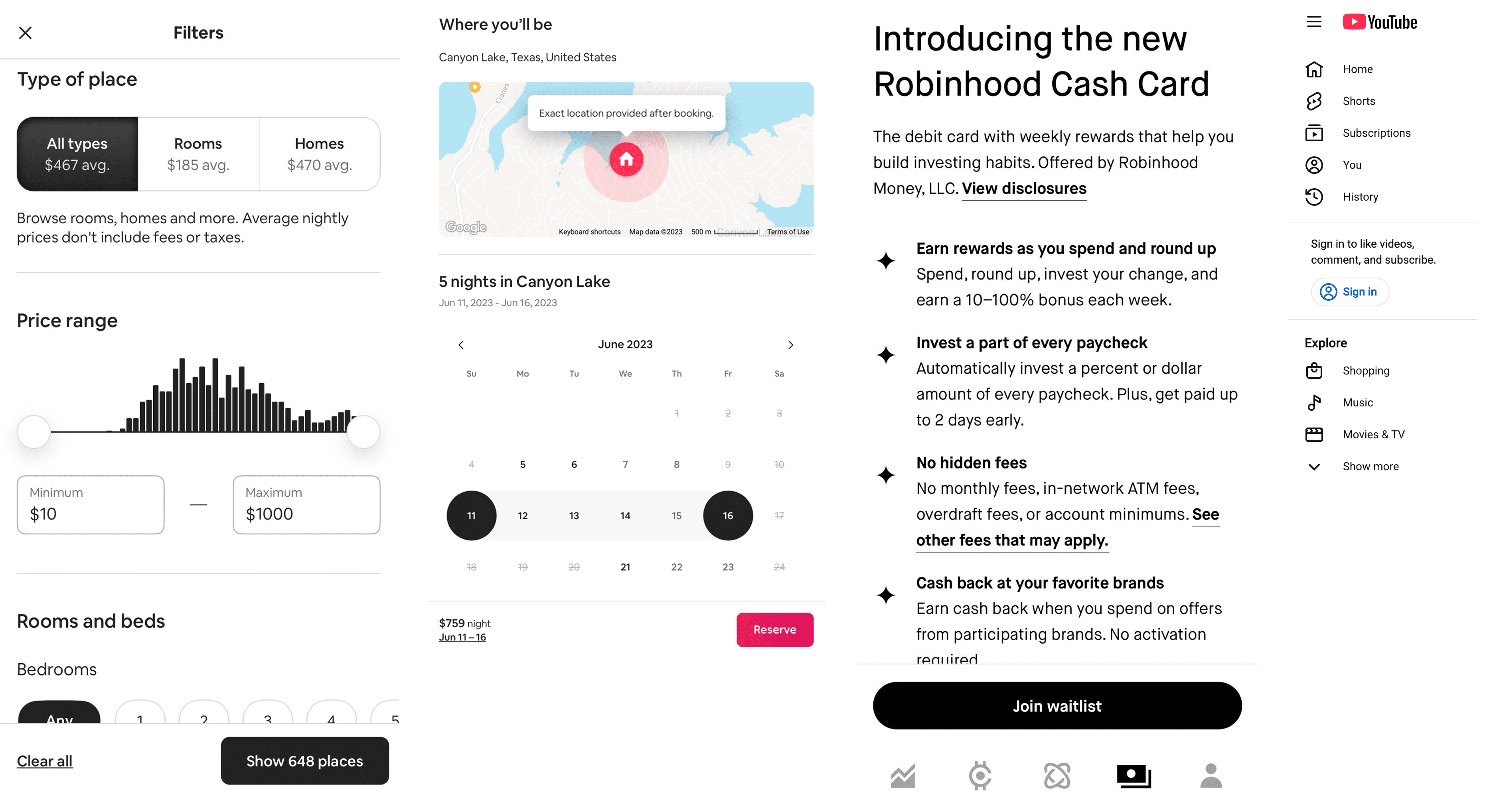
I led weekly design syncs with Indeed's Principal and Lead UX Designers (15+ participants across product areas) to build consensus on Aurora Uplift's visual strategy. The core principle: shift from an interface dominated by blue CTAs to a neutral foundation where color served as a functional signal, not decoration.
We studied how products like AirBNB, Robinhood, and YouTube used restrained color palettes to reduce cognitive load while making critical actions unmistakable. The strategy was deliberate: strip color from secondary elements, then strategically reintroduce it only where it guided users toward high-value actions like posting jobs or reviewing candidates.
These sessions produced a unified design direction across 40+ product teams, ensuring Aurora Uplift would feel cohesive rather than fragmented as it rolled out incrementally.
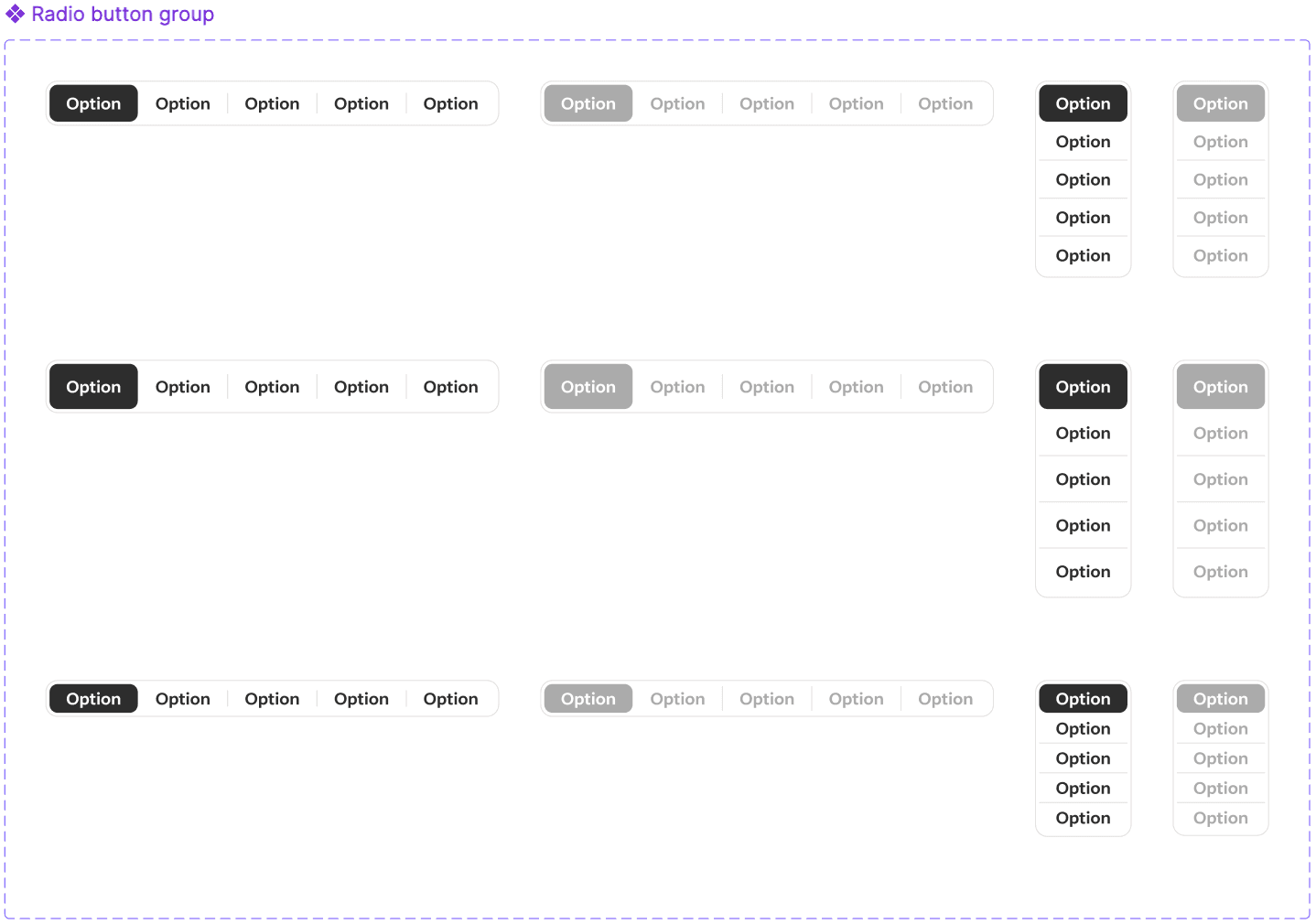
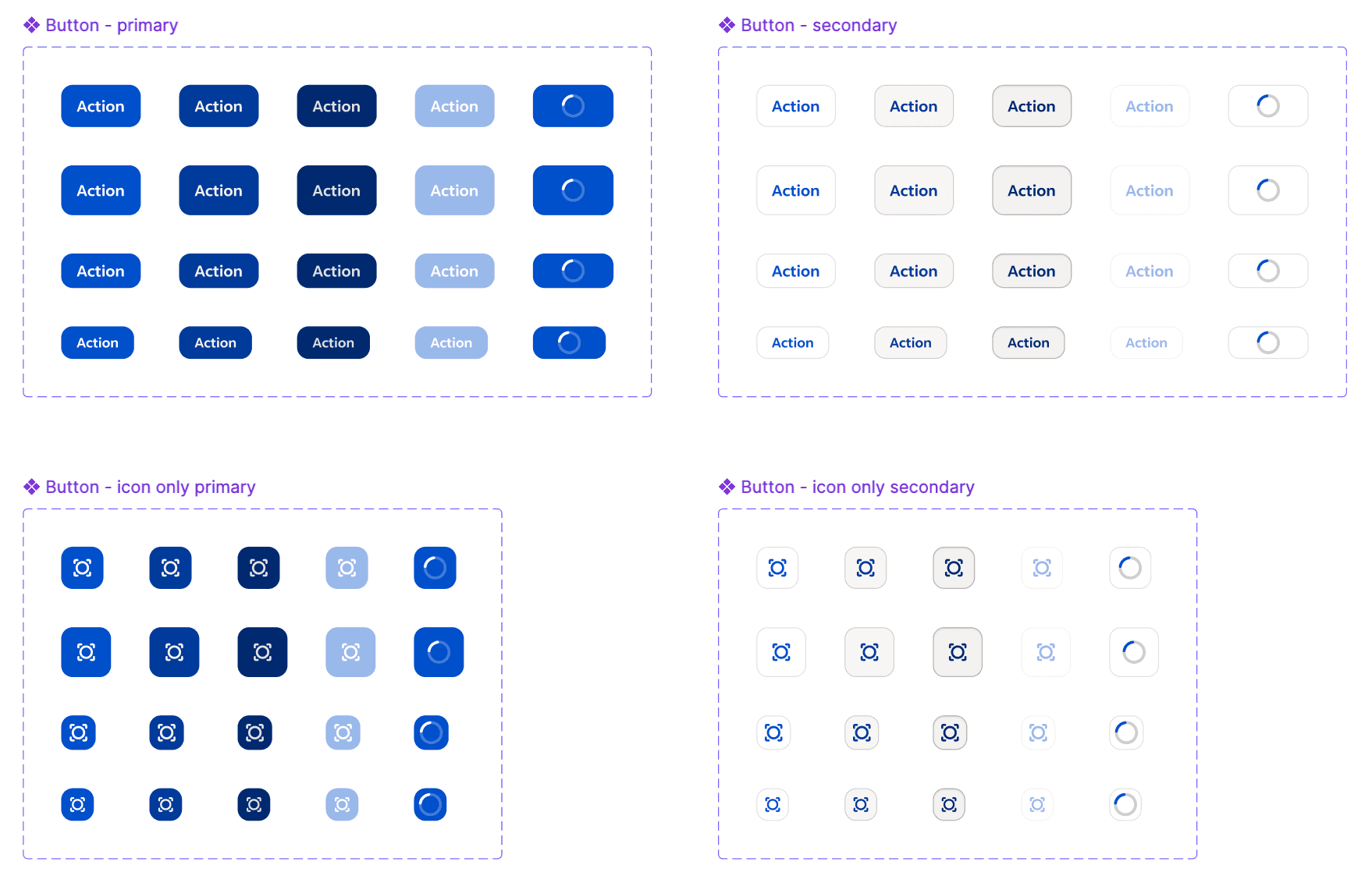
The foundation of Aurora Uplift was a systematic color reduction strategy. I led my team in redesigning 47 core components to use a neutral gray palette (Gray 50-900) for structural elements like cards, dividers, and secondary buttons. This required updating 230+ design tokens and coordinating implementation across product teams to ensure consistency.
The change was dramatic. Components that previously used 6-8 different blue values now relied on neutral grays, reserving Indeed's primary blue exclusively for high-intent actions: "Post a Job," "Contact Candidate," "Upgrade to Sponsored." Navigation elements, form inputs, and informational cards shifted to subtle gray treatments that receded into the background.
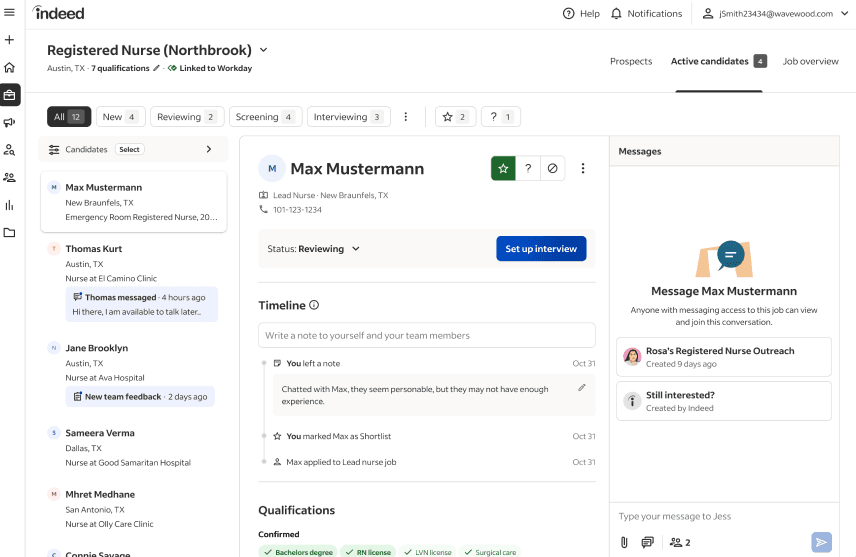
The result: primary CTAs became 3x more visually prominent in heatmap testing. Users could instantly identify the next critical action without scanning through competing blue elements. What was once a "sea of blue" became a clear hierarchy where color functioned as a strategic guide rather than visual noise.
With neutral foundations in place, we reintroduced Indeed's primary blue strategically. High-value actions like "Post a Job," "Sponsor This Job," and "Contact Candidate" now stood out against the neutral interface, creating unmistakable visual priority.
I worked with our experimentation team to design a 60-day A/B test across employer-facing pages, measuring the impact against control. We tested the redesigned job posting flow, candidate search results, and account management pages with 500,000+ employers split between treatment and control groups.
Design
Product design and prototypes utilizing our token library in Figma can toggle between themes within seconds.
Development
With the release of IFL 7, you simply manage a single string in your application state that matches the tokens.
<div data-theme="aurora_uplift" className="app-wrapper">

Designed for scale
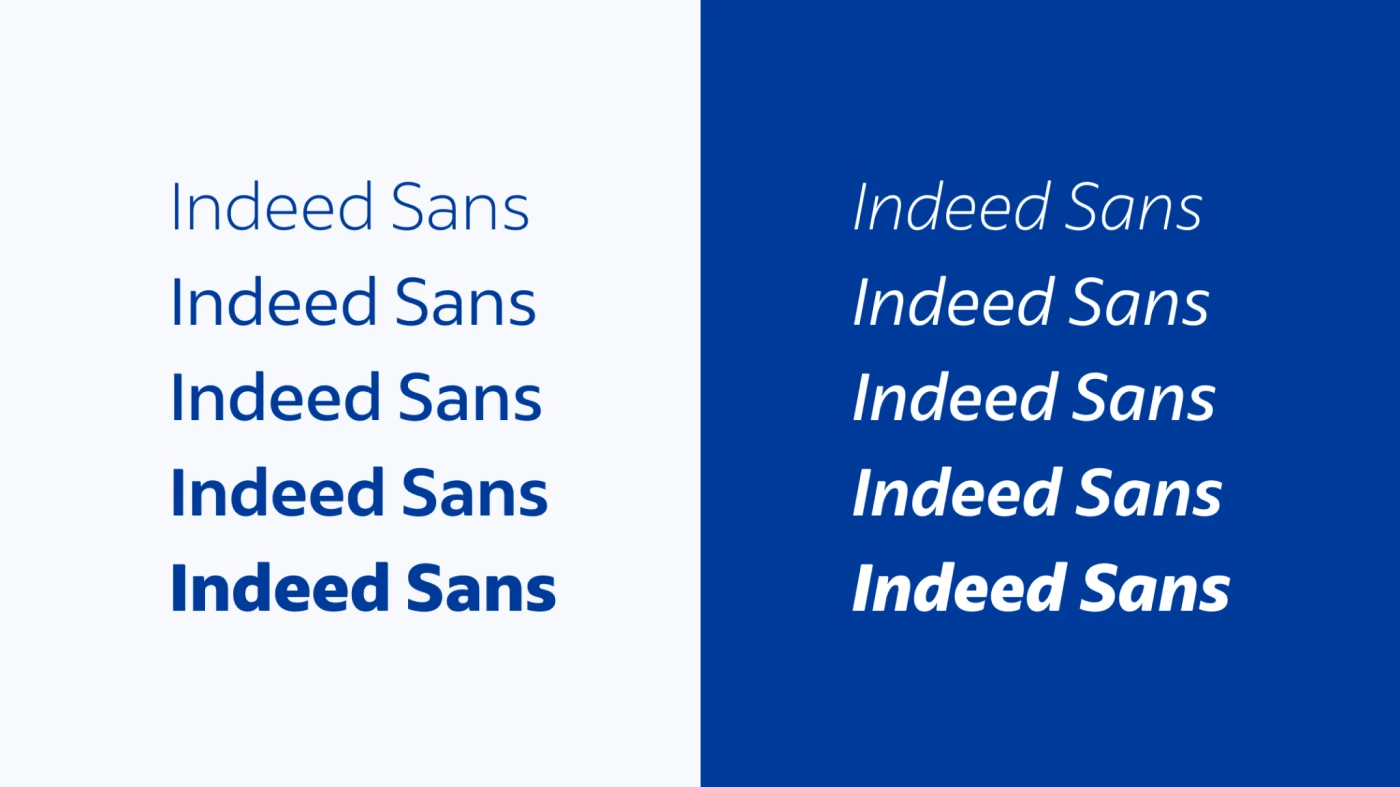
Indeed Sans supports 136 languages covering all Latin-based scripts.
Unexpected results
2.5% increase in positive outcomes and 2.6% increase in sponsored apply starts. $10 million a month increase in revenue.
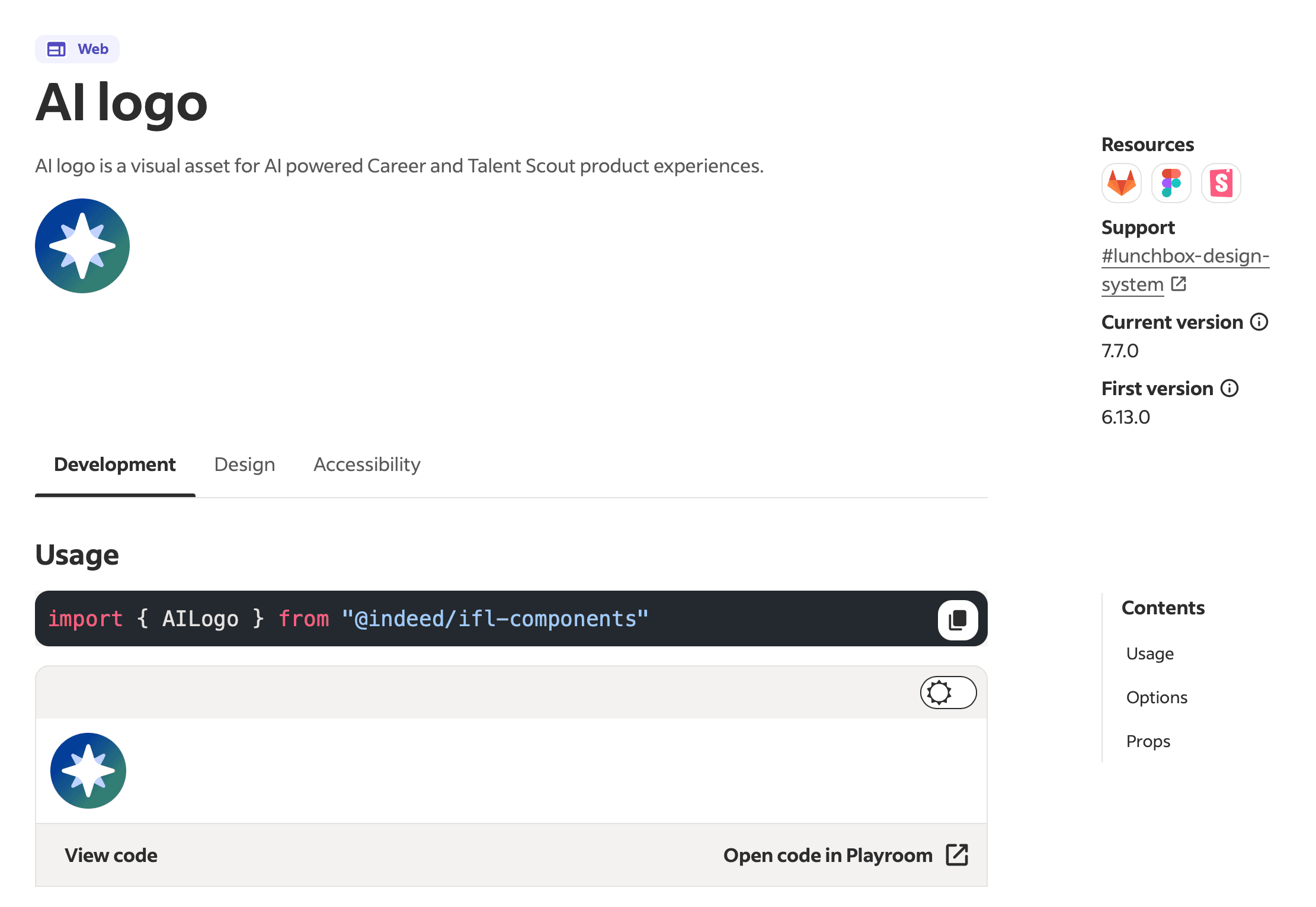
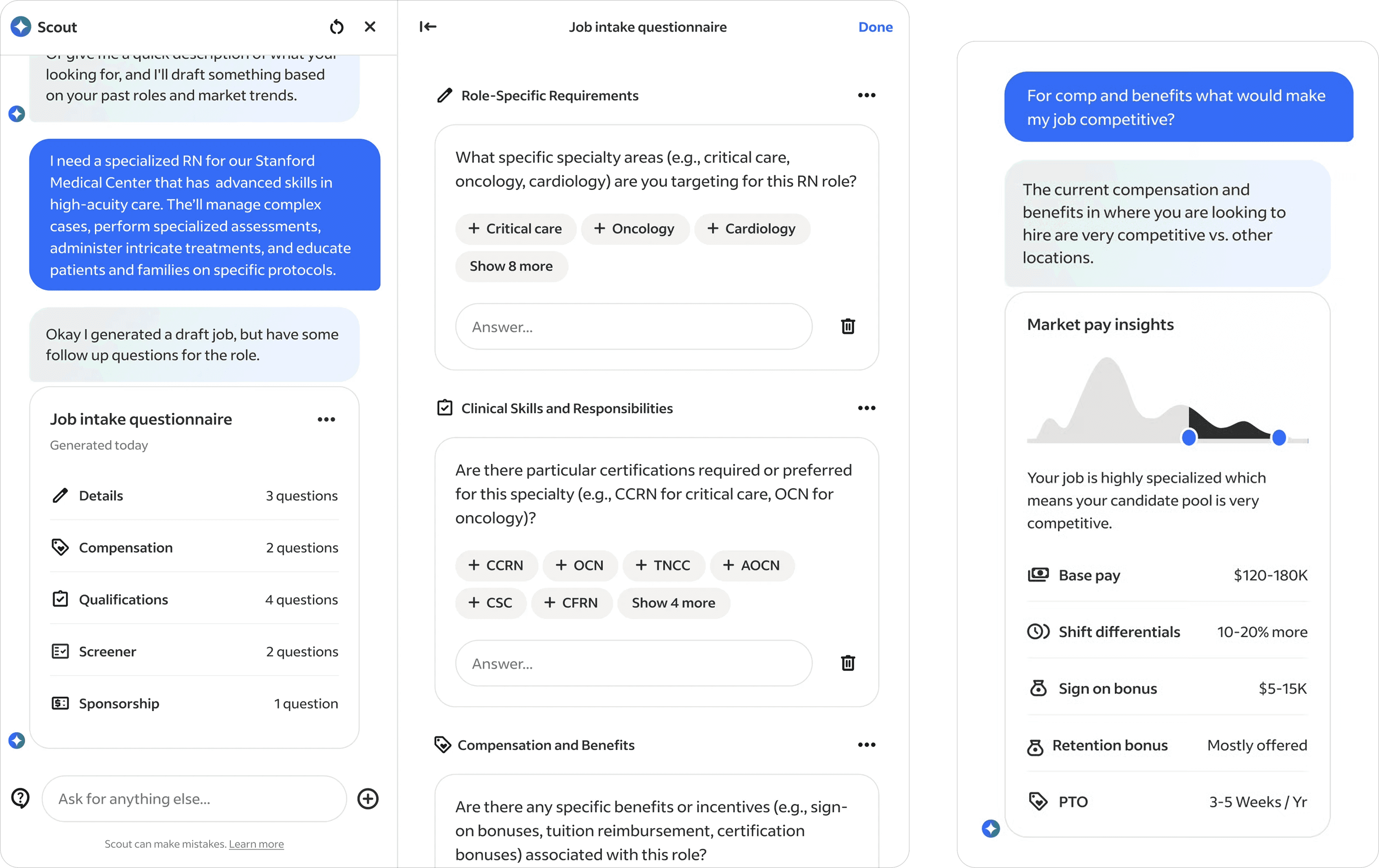
As Aurora Uplift rolled out, Indeed was simultaneously launching AI-powered assistants to help employers write better job descriptions and screen candidates more efficiently. We needed a visual treatment that would help users instantly recognize AI-generated content while maintaining Aurora Uplift's restrained color palette.
My team designed a distinctive AI identifier that combined Indeed's primary blue with a subtle gradient treatment and accompanying iconography. This appeared alongside AI-generated job descriptions, candidate summaries, and smart recommendations throughout the employer experience.
The challenge: make AI features discoverable without creating new visual clutter. We tested multiple approaches, ultimately landing on a compact badge system that integrated seamlessly with our neutral components while signaling intelligence and trustworthiness.

While most of Aurora Uplift focused on removing color, messaging was the exception. User research showed that both employers and job seekers perceived Indeed's messaging feature as transactional and cold, leading to lower response rates and abandoned conversations.
We introduced a warm gradient background (blending Indeed blue with subtle coral tones) specifically for messaging interfaces. This gradient became a new semantic token in our design system, signaling that messaging was a collaborative, human-centered space distinct from the task-focused neutral interface.
The visual differentiation was intentional: neutral gray for job management tasks, strategic blue for high-value actions, and warm gradients for human connection. This created a clear mental model where color itself communicated the type of interaction users were having.
Getting buy-in from Indeed's senior leadership required showing, not telling. Over 4 weeks, I facilitated weekly design critiques where the working group presented iterative prototypes to VPs of Product, Engineering, and Brand. Rather than static presentations, we shared interactive Figma prototypes that allowed executives to experience the proposed changes firsthand.
This wasn't always smooth. Brand leadership initially pushed back on the neutral palette, concerned it would dilute Indeed's identity. Product VPs questioned whether reducing blue CTAs would hurt conversion rates. I navigated these concerns by anchoring discussions in user feedback and the business metrics we aimed to improve, while ensuring Brand maintained creative control over the visual direction.
By week 4, we had unanimous executive support. The interactive prototypes became our alignment tool across the organization, shared with 40+ product teams to build understanding before implementation began. This upfront investment in stakeholder buy-in prevented costly mid-flight changes and ensured Aurora Uplift rolled out cohesively.
After securing organizational alignment, we launched a controlled A/B test exclusively on Indeed's employer platform to validate Aurora Uplift's impact. I partnered with Indeed's experimentation team to design a 60-day test with 500,000+ employers split between the new Aurora Uplift design (treatment) and the existing interface (control).
We defined clear success metrics:
Primary: Revenue per advertiser (measuring engagement with sponsored job features)
Secondary: Positive hiring outcomes (successful candidate placements within 30 days)
Qualitative: Post-test user interviews to understand perceived value and satisfaction
The hypothesis: by reducing visual noise and creating clearer action hierarchy, employers would complete hiring tasks more efficiently and engage more deeply with Indeed's premium features, ultimately driving revenue growth while improving user satisfaction.
We focused exclusively on employer-facing pages (job posting, candidate search, messaging) to isolate the impact before potentially expanding to job seeker experiences.
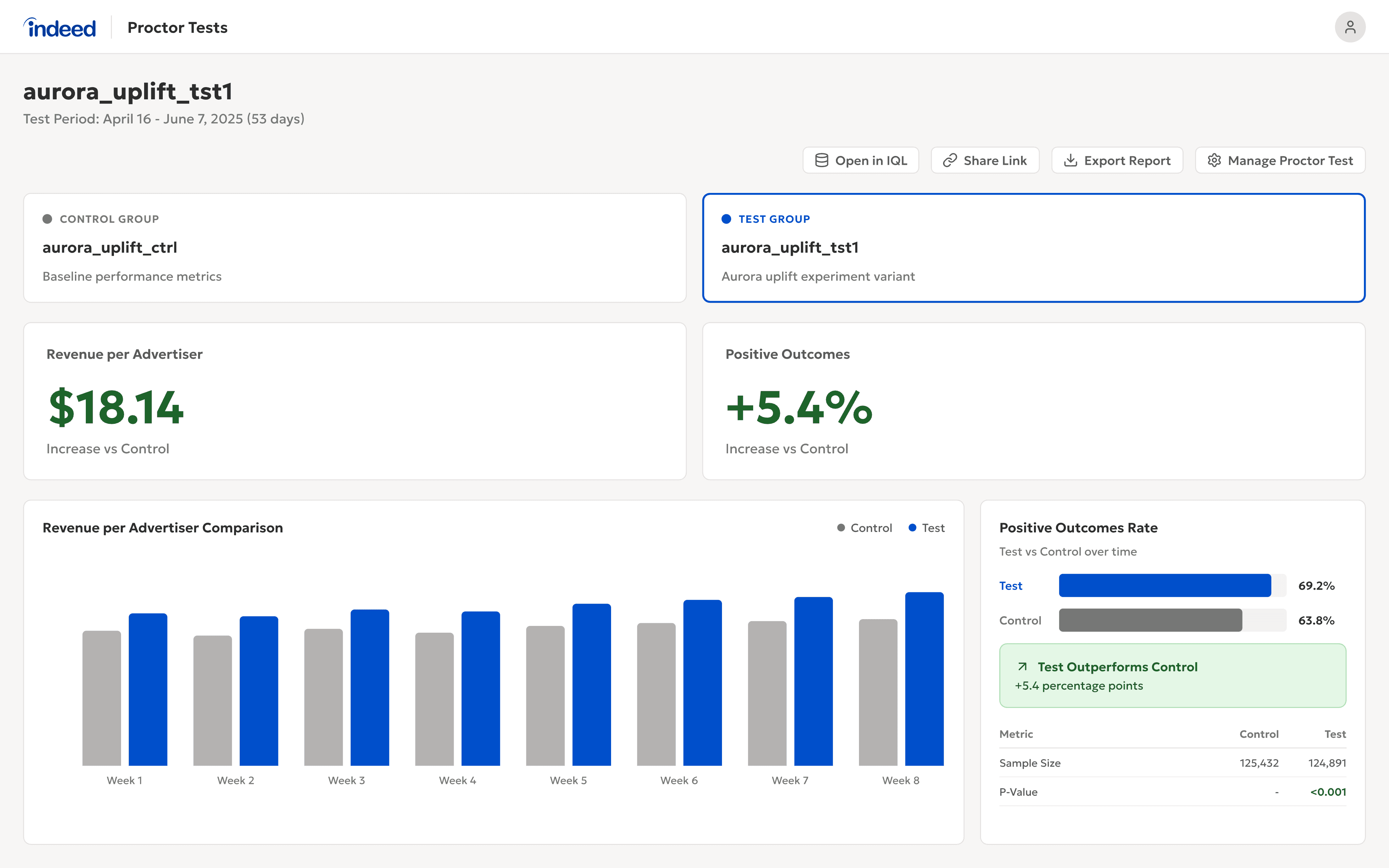
The A/B test validated our approach decisively:
Primary metric: Revenue per advertiser increased by $18 (a 12% lift), meaning employers engaged more deeply with Indeed's premium features like sponsored job posts and candidate search tools.
Secondary metric: Positive hiring outcomes improved by 5%, indicating that employers weren't just spending more, they were successfully hiring through the platform.
Translated across Indeed's employer base, this represented approximately $4.2M in projected annual revenue impact from the design changes alone.
The qualitative feedback reinforced the quantitative wins. In post-test interviews, employers noted: "It's so much clearer what I should do next" and "The interface feels more professional now, like a premium tool." We had successfully addressed the "sea of blue" problem while improving business metrics.
Aurora Uplift wasn't just a visual refresh. It was a proven driver of employer satisfaction and revenue growth. Now we needed to scale these wins across all employer-facing products.
With validation from the A/B test, I led the effort to implement Aurora Uplift across Indeed's design system, impacting hundreds of repositories and 40+ product teams. The challenge: sequence changes to minimize disruption while delivering value quickly.
I established a phased rollout strategy:
Phase 1: Theme Architecture. Created a separate Aurora Uplift theme within our token library, allowing teams to opt in gradually rather than forcing a breaking change across all products simultaneously.
Phase 2: Token Updates. Updated 230+ design tokens (color, spacing, elevation) within the Aurora Uplift theme. This foundational work meant component changes would automatically cascade once teams adopted the new theme.
Phase 3: Component Refinements. Modified 47 components to leverage the new neutral palette and strategic color usage, including buttons, cards, form inputs, and navigation elements.
This sequencing allowed early-adopter teams to implement Aurora Uplift while my team continued building, compressing the total timeline from 6 months to 3 months.
Rolling out Aurora Uplift required coordinating with 40+ product teams and migrating hundreds of repositories. The risk: breaking existing implementations and creating visual inconsistencies if teams adopted changes at different speeds.
I led a phased release strategy to minimize disruption:
Release 1: Theme Foundation (May 2024). Shipped the Aurora Uplift theme as an opt-in layer within our existing design system. This allowed product teams to test the new visual direction in their staging environments without impacting production. We provided migration guides, held office hours, and partnered with 5 pilot teams to surface integration issues early.
Release 2: Component Updates (August 2024). After validating theme stability, we released updated components with the new neutral palette and strategic color usage. Teams that had adopted the theme automatically inherited these improvements. Teams still on the legacy theme could migrate on their own timeline.
The challenge: maintaining two visual systems simultaneously for 4 months while teams transitioned. My team provided weekly migration reports showing adoption progress and offered dedicated engineering support to accelerate lagging teams.
By October 2024, 94% of employer-facing products had adopted Aurora Uplift, with the remaining 6% scheduled for completion by year-end.
Aurora Uplift delivered measurable value across Indeed's employer and job seeker experiences:
Employer Experience
$140M annualized revenue increase from improved engagement with sponsored job features and premium tools.
Revenue per advertiser increased by $18 (12% lift), demonstrating employers found greater value in the platform.
Positive hiring outcomes improved by 5.4%, meaning employers successfully placed more candidates through Indeed
The typeface update to Indeed Sans alone contributed 2.5% of the outcome improvement
Job Seeker Experience
Sponsored job application starts increased by 2.6%, connecting more candidates with employer job posts
Design System Adoption
Aurora Uplift's success extended beyond revenue. The design system's adoption rate reached 80% within 6 months, compared to 65% peak adoption for the previous major version. This represented a 23% improvement in organizational alignment and reduced fragmentation across Indeed's product ecosystem.
The initiative elevated Design Systems' visibility across the organization, positioning the team as a strategic partner in product development rather than a service provider.
+5.4%
+2.6%
Sponsored
Apply Starts